Hobby on a Budget: How to Level Up Your Passion Without Emptying Your Wallet
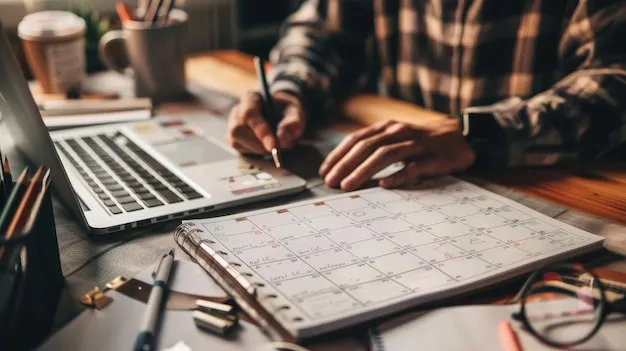
Photo: person organizing hobby supplies at desk with notebook and budget planning, via img.freepik.com
There's a moment most hobbyists know well. You started out just dabbling — maybe picking up a starter kit, watching a few YouTube tutorials, lurking in forums. Then something clicked. Suddenly you're three browser tabs deep into gear reviews at midnight, and your credit card is starting to feel nervous.
Growing a hobby is one of life's genuine pleasures. But the financial reality of transitioning from casual participant to serious enthusiast? That part doesn't always get talked about honestly. Here at Pikkari Club, we believe in keeping it real with our community — so let's dig into what it actually costs to level up, and how to do it without blowing your budget wide open.
The "Gateway Purchase" Trap
Almost every hobbyist has a story about their first big splurge. For Marcus, a woodworking enthusiast from Portland, Oregon, it was a $600 table saw he convinced himself was an "investment." For Diane, a miniature painter from Austin, it was a complete professional-grade paint set she ordered after watching exactly two tutorial videos.
"I used maybe a third of those paints in the first year," Diane told us with a laugh. "The rest just dried out."
This is what the Pikkari Club community often calls the "gateway purchase" trap — the early, enthusiasm-fueled buy that overshoots where you actually are in your hobby journey. It's not that the purchase is inherently bad. It's that timing matters enormously. Buying professional-level equipment before you've developed the skills to use it well is one of the most common spending pitfalls beginners face.
The fix? Give yourself a deliberate "beginner phase" budget — a set dollar amount you commit to spending before you upgrade anything. Many experienced hobbyists recommend spending at least three to six months with entry-level gear. You'll learn what you actually need versus what just looks impressive in a haul video.
Prioritizing Spend: What's Actually Worth the Money
Not all hobby expenses are created equal. One of the most useful mental frameworks is separating your spending into three buckets: foundation tools, consumables, and nice-to-haves.
Foundation tools are the core equipment your hobby literally cannot function without. These are worth investing in thoughtfully — not necessarily buying the most expensive option, but not skimping so hard that you're fighting your gear every session. A shaky, frustrating experience with cheap tools can actually kill your motivation before the hobby has a chance to take hold.
Consumables — things like materials, supplies, or anything that gets used up — are where a lot of hobbyists quietly hemorrhage money. This is especially true in crafting, cooking-adjacent hobbies, and anything involving physical media. Buying in bulk when it makes sense, joining group orders through communities like Pikkari Club, and learning which consumables you can substitute without compromising quality are all moves that add up fast.
Nice-to-haves are the fun stuff — the accessories, the organizers, the aesthetically pleasing gear that doesn't really change your output but makes the experience feel more legit. There's nothing wrong with nice-to-haves. Just be honest about which category something falls into before you buy it.
The Secondhand Market Is Your Best Friend
If there's one piece of advice that came up over and over again when we talked to longtime Pikkari Club members, it was this: buy used whenever you can.
The secondhand market for hobby equipment in the US is genuinely robust. Facebook Marketplace, eBay, Craigslist, and hobby-specific forums are all goldmines if you're patient. Gear from enthusiasts who are downsizing, switching hobbies, or upgrading tends to be well-maintained and significantly cheaper than retail.
Jorge, a model train collector from Chicago, estimates he's saved close to $2,000 over the past two years buying pre-owned pieces. "Half the stuff I've gotten secondhand was in better shape than new," he said. "Hobbyists take care of their gear."
The key is knowing what to look for — and that's where community knowledge becomes genuinely valuable. Fellow enthusiasts can tell you which brands hold up over time, what red flags to watch for in listings, and whether a deal is actually a deal.
Setting a Real Hobby Budget (And Sticking to It)
Here's the uncomfortable truth: most hobbyists don't have a budget. They have a vague sense that they're "not spending too much" right up until they look at three months of bank statements and feel a little queasy.
A real hobby budget doesn't have to be complicated. Start with a monthly cap — a number you're genuinely comfortable with, not an aspirational one. Include everything: supplies, subscriptions, event tickets, club memberships, the occasional impulse buy. Track it, even loosely. Apps like YNAB or even a simple spreadsheet work fine.
Some hobbyists find it helpful to create a separate checking account or savings bucket specifically for hobby spending. When the money's gone for the month, it's gone. This removes a lot of the mental negotiation that leads to overspending.
It also helps to build in an "upgrade fund" — a small monthly contribution toward a specific, planned purchase. Saving $50 a month toward a $400 piece of gear feels totally different than spontaneously dropping $400 because you got excited at a convention.
When Spending More Actually Makes Sense
Budget-consciousness doesn't mean being cheap about everything. There are moments when spending more is the genuinely smarter financial move.
Classes and instruction are one area where many hobbyists underinvest. A $150 workshop or online course can prevent hundreds of dollars in mistakes, wasted materials, and frustration. Learning from someone who's already figured out the hard parts is almost always worth it.
Same goes for community access. Whether it's a local club membership, a quality online community (hey, that's what we're here for), or a regional convention, the connections and knowledge you gain tend to return more value than the equivalent amount spent on gear.
Growing Smart, Not Just Fast
The hobbyists who seem to get the most out of their passion long-term aren't necessarily the ones who spent the most. They're the ones who spent intentionally — who built their skills alongside their gear, who leaned on their community for advice before big purchases, and who gave themselves permission to enjoy the process rather than racing toward some idealized "serious enthusiast" status.
Growing your hobby is a journey, and the financial side of it is just one part of that. Get your spending in shape, tap into the collective wisdom of people who've been where you are, and enjoy every stage of the ride.
That's what Pikkari Club is here for.