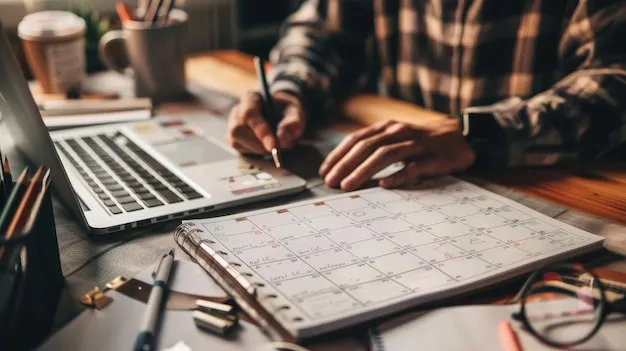
Beyond the Algorithm: Why Your Hobby Needs Real People, Not Just a Following
Photo: Gannu03, CC BY-SA 4.0, via Wikimedia Commons
Let's be honest — the internet is incredible for hobbyists. You can find tutorials, buy supplies, join Discord servers, and get feedback from people across the planet without leaving your couch. The global reach of online hobby communities is something genuinely worth celebrating.
But ask anyone who's been in a hobby for a while, and most of them will tell you the same thing: the moments that stuck with them, the friendships that shaped how they approach their craft, the experiences that made them fall even harder for what they do — those almost always happened in person.
This isn't a hot take against the internet. It's an argument for balance. And for many hobbyists in the US today, the local, face-to-face side of the equation is the one that's going underdeveloped.
What You Actually Miss When Everything Is Online
Online hobby communities are great at information transfer. Questions get answered, resources get shared, debates happen in comment threads. What they're less good at is the slower, harder-to-quantify stuff — the casual conversation before a meeting starts, the moment someone demonstrates a technique right in front of you and something finally clicks, the shared meal after a long day at a regional event.
There's also something about accountability and momentum that in-person community provides. When you know you're going to show up to a local club meeting on Thursday, you're more likely to actually practice during the week. When you've made a real friend through your hobby, you have someone to text when you're stuck, someone who'll actually be excited when you nail something difficult.
Research consistently shows that shared-interest communities are one of the most effective antidotes to the kind of low-grade loneliness that's become pretty widespread in American life. Your hobby isn't just a pastime — it's a social infrastructure, if you let it be.
Starting With What's Already Out There
The good news is that most US cities, and plenty of smaller towns, have more hobby infrastructure than people realize. The challenge is usually finding it.
Meetup.com remains one of the most underrated resources for local hobby connection. Search your metro area and your specific interest, and you'll often be surprised what's already organized and active. Groups range from weekly casual hangouts to more structured clubs with events and workshops.
Local shops are another anchor point. Hobby-specific retail stores — whether that's a game shop, a yarn store, a camera dealer, or a specialty craft supply place — often serve as informal community hubs. Many host events, classes, or open-play nights. Even if they don't advertise it heavily, it's worth asking. The staff usually know who the local enthusiasts are.
Libraries and community centers host more hobby-related programming than most people expect, and it's almost always free. Check the event calendars for your local branch — you might find a photography club, a crafting circle, or a maker space that's been meeting for years right in your own neighborhood.
The Regional Event Experience
If you haven't attended a regional event or convention centered on your hobby, put it on the calendar. Seriously.
There's something about being in a room — or a convention hall, or a fairground — with hundreds of people who all care deeply about the same thing you do. The energy is different. Conversations happen easily because you already have the most important thing in common. You'll pick up more knowledge in a weekend than you might in months of solo practice, and you'll likely leave with at least a few contacts you actually want to stay in touch with.
The US has a rich calendar of regional hobby events across virtually every category. Many are surprisingly affordable, especially if you go in with a group and split travel costs. Start by asking in whatever online community you're already part of — someone will know what's worth attending in your region.
For the Introverts in the Room
Not everyone finds the idea of walking into a room full of strangers energizing. If social situations feel draining rather than exciting, the advice to "just go to meetups" can feel a little glib.
A few things that actually help:
Bring a specific question or project. Having something concrete to talk about removes a lot of the awkward small-talk pressure. Show up to a club meeting with a problem you're working through, and you've got an instant conversation starter that keeps the focus on the hobby rather than on you.
Start with smaller gatherings. A one-on-one coffee with someone you met in an online forum is a much lower-stakes entry point than a 50-person club meeting. Many genuine hobby friendships start with a single direct message.
Give yourself an exit. Knowing you can leave after an hour if you're not feeling it makes it much easier to show up in the first place. Most of the time, you'll stay longer than you planned.
Volunteer. Events and clubs always need help, and having a role gives you structure and purpose in a social situation. It also signals investment to the community, which tends to accelerate how quickly people warm up to you.
Building Your Online Presence Intentionally
Online community still matters enormously — and Pikkari Club exists precisely because digital spaces can be genuinely nourishing when they're built right. The key is being intentional rather than passive.
Scrolling through a feed isn't the same as participating in a community. Commenting thoughtfully, sharing your own work, asking questions, and engaging with what others post are what actually build relationships online. It takes a little more effort than just consuming content, but the return is completely different.
Follow regional hashtags on Instagram. Join hobby-specific subreddits and actually post. Look for Facebook Groups organized around your specific city or region — these tend to be more actionable and local than the giant national groups.
And when you find someone online whose work you admire or whose perspective resonates, don't just hit like and move on. Reach out. A genuine compliment or a thoughtful question is how a lot of real hobby friendships start.
The Compounding Effect of Community
Here's the thing about building your hobby tribe: it compounds. One connection leads to another. A local club introduces you to a regional event. A conversation at that event leads to an online group you didn't know existed. That group puts you onto a workshop that changes how you approach your craft.
None of that happens if you stay purely in solo mode, consuming content but never really connecting.
Your hobby is better with people in it. Not just followers, not just usernames in a comment thread — actual people who know your name and get excited about the same things you do. They're out there. Go find them.
And if you're not sure where to start, well — you're already in the right place.