So You Want to Share Your Obsession: How to Invite Someone Into Your Hobby World Without Weirding Them Out
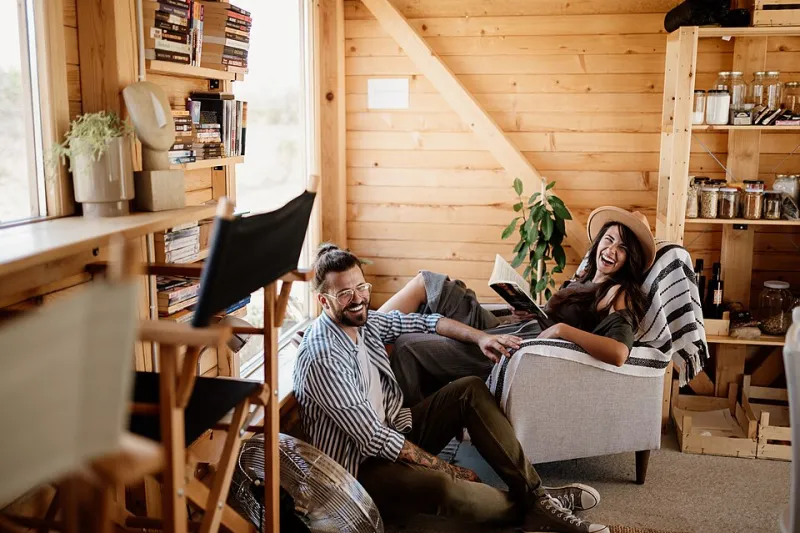
Photo: Shixart1985, CC BY 2.0, via Wikimedia Commons
The Urge to Share Is Actually Really Human
You know that feeling. You're deep into something you love — maybe it's ceramics, maybe it's tabletop RPGs, maybe it's growing heirloom tomatoes — and suddenly you look up and think, why isn't my sister doing this with me right now? The impulse to pull the people you care about into the things that bring you joy is one of the most genuinely human instincts there is. It's not weird. It's not pushy. It's love, basically.
But here's where it gets complicated: your partner, your best friend, your dad — they have their own inner world. And sometimes the hobby that feels like oxygen to you lands for them like, well, a polite obligation. The trick isn't suppressing that desire to share. It's learning how to extend the invitation without accidentally making it a summons.
Why We Want to Recruit People We Love
Before we get into the how, it's worth spending a second on the why. Psychologists who study shared activities point out that doing things together deepens bonds in ways that just talking about things doesn't. When you bring someone into your hobby, you're not just showing them what you do on weekends — you're showing them a piece of how you think, what you value, and what makes you feel alive. That's vulnerable stuff.
There's also a validation angle, if we're being honest. When someone we love embraces our hobby, it can feel like they're embracing us. Which means when they shrug it off, it can sting in a way that feels disproportionate to the situation. Keeping that dynamic in mind before you make the introduction can save everyone a lot of awkward energy.
Set the Table, Don't Set the Trap
The single biggest mistake hobby enthusiasts make when introducing a passion to someone else? Leading with the full experience before the person even knows if they're hungry.
Imagine you've just gotten into fly fishing. You're obsessed. You have three podcasts queued up, a tackle box you spent two weekends organizing, and opinions about waders. If your first move is dragging your spouse to a six-hour guided river trip, you've essentially signed them up for a final exam before they've attended a single class.
Instead, think of it like a tasting menu. Offer a small, low-pressure sample. Show them a five-minute video you love. Let them flip through a book or zine that got you hooked. Invite them to watch you do it without any expectation that they participate. The goal at this stage isn't conversion — it's just a door left open.
Make It About Them, Not About You
Here's a reframe that changes everything: instead of thinking I want to share my hobby with them, try thinking I wonder if this hobby has anything in them it might connect with.
Those are different starting points. The first is about your excitement. The second is about their experience. When you approach it from the second angle, you naturally start tailoring the introduction. You think about what they already enjoy, what kinds of activities tend to energize them, and what entry point might actually resonate.
Your mom who loves history might not care about the competitive side of miniature painting — but she might be completely captivated by the historical accuracy of the figures. Your college roommate who's always been hands-on might not vibe with the community forums, but a beginner workshop where he gets to build something? That might land differently. Meeting people at their own interests, rather than pulling them toward yours, is the difference between an invitation and a pitch.
Keep the Pressure Invisible
Pressure doesn't always look like pressure. Sometimes it looks like checking in constantly. Did you watch that video I sent? What did you think? Are you sure you don't want to try it? Sometimes it looks like disappointment — a slight deflation in your voice when they say they're not really feeling it. People are perceptive. They pick up on your investment in their answer, and suddenly trying your hobby starts to feel like an emotional minefield instead of a fun thing to maybe do sometime.
A few practical ways to keep the pressure genuinely off:
- Say it once, then let it breathe. Make the offer clearly and without conditions, then genuinely drop it. If they're curious, they'll come back to it.
- Don't over-explain your own enthusiasm. Passion is contagious, but a ten-minute monologue about why they should be excited can have the opposite effect.
- Separate the activity from the relationship. Make it clear — out loud if needed — that their interest level has zero bearing on how you feel about them. Because it shouldn't, and they need to know that.
How to Handle the "It's Just Not for Me" Moment
They tried it. Or they heard you out. And the verdict is: not their thing. This is the part that hobbyists often find harder than they expected, and it's worth sitting with for a second.
If you feel genuinely stung when someone doesn't share your enthusiasm, that's okay. You don't have to pretend otherwise. But it's worth examining what you were actually hoping for. Were you hoping they'd enjoy it? Or were you hoping they'd enjoy it the way you do? Those are very different asks.
Some people will try your hobby and find their own version of appreciation for it — they don't love doing it, but they understand why you do, and that's actually meaningful. Some people will just not connect with it at all, and that's fine too. A relationship doesn't need shared hobbies to be rich and close. What it needs is mutual respect, and that includes respecting someone's honest disinterest.
Graceful acceptance sounds like: "No worries at all — honestly, I just wanted you to have the chance to try it." And then actually meaning it.
The Best Outcome Isn't Always the Obvious One
Here's something worth remembering: sometimes the most beautiful thing that comes from sharing your hobby isn't a new hobby partner. It's a conversation. It's your partner watching you do something you love and seeing you light up in a way they hadn't quite seen before. It's your friend asking a question that makes you articulate why this thing matters to you — and in doing so, understanding yourself a little better.
Sharing your passion with someone you love doesn't have to end with them becoming a fellow enthusiast. Sometimes it just deepens the picture they have of you, and that's its own kind of gift.
So go ahead — leave the door open. Just make sure you're not standing in the doorway waiting.