Loving Your Hobby Without Losing Your Person: A Hobbyist's Guide to Relationship Balance

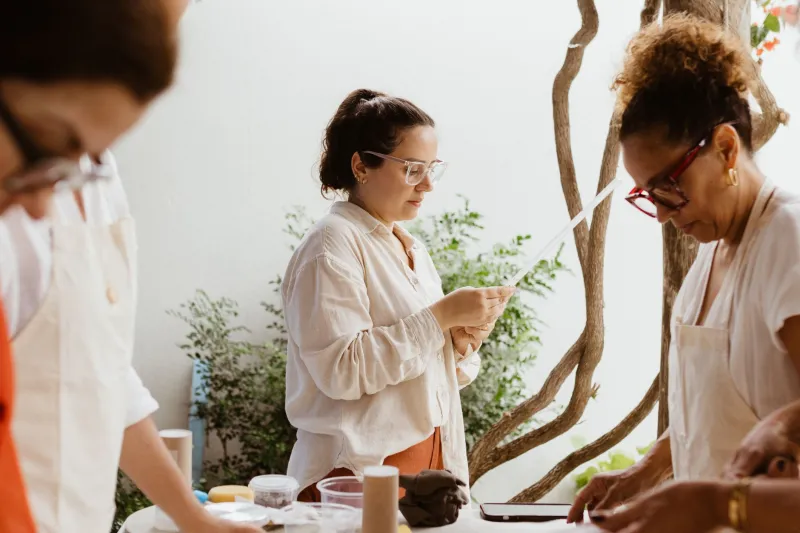
Photo: Hector Alejandro, CC BY 2.0, via Wikimedia Commons
When Your Favorite Thing Becomes a Relationship Thing
You know that feeling when you've just finished a killer session — maybe you finally nailed that technique, scored a rare find, or completed something you've been working on for weeks — and you can't wait to talk about it? You turn to your partner, eyes wide, ready to spill every detail, and they give you the look. You know the one. Polite. Patient. Slightly glazed over.
It stings a little, right?
Here's the truth: loving a hobby deeply and being in a healthy relationship with someone who doesn't share it is genuinely one of the low-key hardest balancing acts in adult life. It's not dramatic, it's not a crisis — but if you don't handle it thoughtfully, it can quietly chip away at both your passion and your partnership.
Let's talk about how to actually make it work.
The "Hobby Widow" Problem Is More Common Than You Think
There's a running joke in a lot of hobbyist communities about the "hobby widow" — the spouse or partner who gets left behind on weekends while their significant other disappears into the garage, the craft room, the trail, or the gaming setup. It's funny until it's not.
Partners who feel chronically sidelined by a hobby often don't say anything at first. They don't want to be the person who kills your joy. But resentment has a way of building quietly, and by the time it surfaces, it usually comes out sideways — as sarcasm about how much money you're spending, eye rolls when you bring up your hobby at dinner, or a general coolness that neither of you can quite name.
The flip side is also real: hobbyists who feel like they have to hide their enthusiasm, sneak purchases, or apologize for needing time to themselves. That's not sustainable either.
None of this means anyone is doing anything wrong. It just means you need a game plan.
Stop Trying to Convert Them (Seriously)
One of the most common mistakes enthusiastic hobbyists make is trying to turn their partner into a fellow hobbyist. It makes sense — you love this thing, you love this person, so naturally you'd want them to love it too. But pushing someone into a hobby they're not genuinely curious about is a recipe for frustration on both sides.
Maybe they came to one club meeting and didn't click with anyone. Maybe they tried your hobby once and found it boring. That doesn't mean they don't support you — it just means it's not their thing. And that's completely fine.
Support doesn't require participation. Your partner can be your biggest cheerleader without ever picking up a paintbrush, soldering iron, or fly rod. What they need to feel is that you value them as much as you value your hobby — not that they need to earn your time by showing up at your events.
Find the Overlap Without Forcing It
That said, there's a difference between forcing someone to participate and naturally finding small points of connection. These exist in almost every hobby, even niche ones.
Maybe your partner doesn't care about the technical side of what you do, but they love a good road trip — and there's a regional expo three states away that could become a fun weekend getaway. Maybe they're not into the hobby itself but they're a foodie, and there's a great restaurant near your local club's meeting spot. Maybe they genuinely enjoy watching you in your element, even if they'd never do it themselves.
These little bridges matter. They're not about making your hobby their hobby — they're about making space for your partner to see why this thing matters to you, in a way that also gives them something they enjoy.
Have the Actual Conversation About Time and Space
If you haven't had a direct, calm, non-defensive conversation with your partner about hobby time, you probably need to. Not a fight. Not a negotiation where someone wins and someone loses. Just a real talk.
Some questions worth getting on the table:
- How many hours per week feels reasonable for hobby time, and does that match what you're actually doing?
- Are there specific times — date nights, family dinners, weekend mornings — that should be off-limits for hobby activities?
- Is there a dedicated space in your home for your hobby, or is it bleeding into shared spaces in a way that's causing friction?
- Does your partner feel like they have equal freedom to pursue their own interests?
That last one is big. A lot of hobby-related relationship tension isn't really about the hobby — it's about fairness. If you're clocking 12 hours a week on your passion project while your partner never gets equivalent time for theirs, the math is going to catch up with you.
Let Them Into the Story Without the Technical Manual
You don't need to give your partner a lecture on your hobby every time something exciting happens. But you can share the feeling behind it.
Instead of walking your partner through every technical detail of what you accomplished, try leading with the emotional beat. "I've been working toward this for three months and I finally got it today — I'm honestly so proud of myself" lands very differently than a five-minute explanation of the mechanics involved.
Most people who love you want to celebrate your wins. They just need the win framed in human terms, not hobbyist terms. Give them an entry point, and you might be surprised how much more engaged they become.
Build a Community That Isn't Just Your Partner
This one's underrated: your partner should not be your only outlet for hobby enthusiasm. That's too much pressure on one relationship.
Find your people — whether that's a local club, an online forum, a group chat, or a community like the one right here at Pikkari Club. Having fellow enthusiasts to geek out with takes the pressure off your home life in a huge way. When you've already talked through your latest project with five people who actually get it, you don't need your partner to match that energy at the dinner table.
A healthy hobby life has multiple layers: your solo practice, your community connections, and your home life. None of those layers should be doing the job of all three.
The Bottom Line
Your hobby is part of who you are. Your relationship is too. These things don't have to compete — but they do require some intentional tending.
Make room for honest conversations. Stop expecting your partner to share your passion and start appreciating the ways they already support it. Find your community so your home doesn't have to carry all of it. And remember: a partner who respects your hobby without loving it is still a pretty great partner.
The goal isn't a shared hobby. The goal is a shared life — one where both of you feel seen, valued, and free to be fully yourselves.