Stepping Away Isn't Quitting: How to Rest Your Hobby Without Losing Yourself in the Process

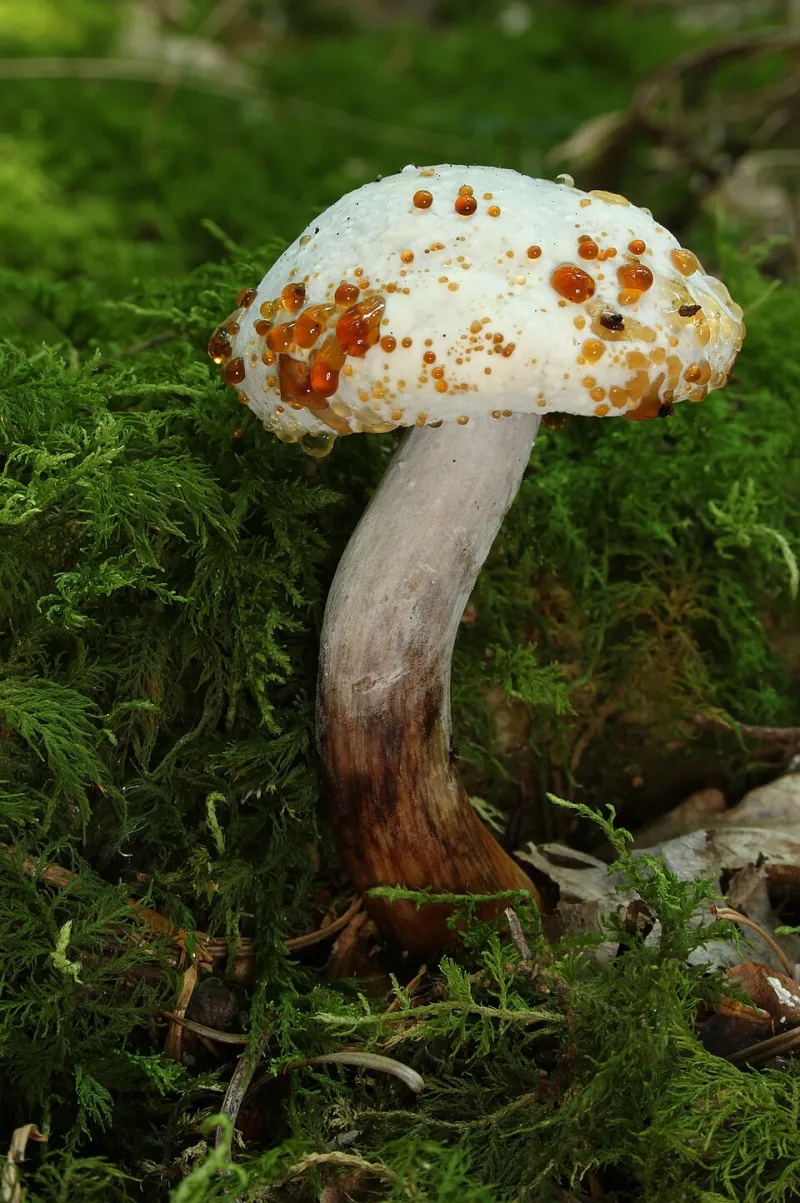
Photo: Shixart1985, CC BY 2.0, via Wikimedia Commons
There's a particular kind of dread that settles in when you haven't posted to your hobby group in three weeks. Maybe you haven't touched your watercolors, picked up your knitting needles, or logged into your tabletop gaming forum since sometime last month. You know you should want to engage — but you just... don't. And then comes the spiral: Am I losing my passion? Will people forget I exist? Have I already been replaced by someone more dedicated?
Welcome to what a lot of hobbyists quietly call the burnout trap. It's not just fatigue. It's a specific kind of anxiety that convinces you rest equals abandonment — of your craft, your community, and your identity as someone who does this thing you love.
Spoiler: it doesn't. And it's worth talking about why that story is so persistent, and how to rewrite it.
Why Hobby Communities Can Accidentally Create Pressure Cookers
Here's the thing about enthusiast spaces — they're built on shared passion, and that's genuinely wonderful. But passion, when it's constantly on display, can start to feel like a performance requirement. When everyone around you is posting their latest project, sharing their progress shots, or jumping into every discussion thread, the unspoken message becomes: this is what engagement looks like, and anything less is falling behind.
Social media has amplified this dynamic in ways that even the most tight-knit local clubs now feel. Algorithms reward consistency. Visibility depends on output. And in hobby communities that live partly online, the people who show up every day tend to dominate the conversation — not because their contributions are necessarily more valuable, but because they're simply more visible.
This creates a weird feedback loop. The more burned out you feel, the less you post. The less you post, the more invisible you become. The more invisible you feel, the more anxious you get about your place in the group. And that anxiety? It doesn't exactly make you want to pick up your hobby again.
Rest and Quitting Are Not the Same Thing — At All
Gardeners know that healthy soil needs fallow periods. Athletes build rest days into their training cycles on purpose. Musicians talk about the importance of silence between notes. Every sustainable creative or physical practice has some version of the same principle: output without recovery leads to collapse, not excellence.
Hobbies are no different. In fact, because most of us come to our hobbies specifically for joy and relief, burning them out by over-producing is almost tragically counterproductive. You picked up woodworking or bird watching or miniature painting because it filled something in you. Grinding it into an obligation empties that same well.
Taking a break — a real one, not a guilty half-hiatus where you scroll your hobby feed and feel bad about not participating — can be one of the most effective ways to preserve your long-term relationship with what you love. Absence genuinely does create space for desire to return. It's not a cliché; it's how humans work.
The 'Abandonment Anxiety' Piece Is Real, Though
Acknowledging that rest is healthy doesn't automatically dissolve the fear of being forgotten. That fear is real, and dismissing it with "just take a break, you'll be fine" isn't particularly useful.
Hobby communities, especially smaller or more niche ones, do have social ecosystems. Relationships form around shared activity. If you disappear for a few months without any acknowledgment, it can feel jarring — both to you and sometimes to the people who were used to seeing you around.
The key difference is between passive disappearing and intentional stepping back. One feeds anxiety; the other actually protects your place in the community.
Practical Ways to Take a Break Without Burning Your Bridges
Give yourself (and your community) a heads up. You don't need to make a big announcement, but a casual post saying "I'm taking some time away to recharge — see you all in a few weeks" does two things: it releases you from the invisible obligation to show up, and it signals to your community that you're still in it, just resting. Most people will respond with warmth, not judgment.
Shift from creating to observing. You don't have to post, comment, or produce anything to stay loosely connected to a hobby space. Lurking is underrated. Reading other people's threads, watching a YouTube video in your niche, or just browsing the forum without contributing keeps a low ember going without demanding anything from you.
Separate your hobby identity from your hobby output. You are a woodworker even when you haven't been in your shop in six weeks. You are a gardener even in January when there's nothing growing. Your identity in a hobby isn't contingent on constant proof of activity. Internalizing this — actually believing it — takes practice, but it's worth working on.
Set a loose return intention, not a deadline. Instead of pressuring yourself with "I need to be back by next month," try something softer: "I'll check in with how I feel in a few weeks and see if I'm ready to re-engage." Deadlines on rest tend to undermine the rest. Intentions keep a door open without slamming you through it.
Reflect on what you actually miss (if anything). Sometimes a break reveals that what you were doing wasn't quite right for you anymore — the format, the community, the specific niche. That's valuable information, not failure. Other times, a few weeks away makes you realize exactly how much you love this thing, and you come back energized in a way that constant engagement never allowed.
What Healthy Hobby Communities Do Differently
The best hobby spaces — the ones people genuinely want to return to after a break — are the ones that don't treat absence as betrayal. They celebrate the member who comes back after six months just as warmly as the one who never missed a week. They talk openly about burnout, rest, and the natural ebb and flow of passion. They make it safe to say "I needed a minute" without having to justify it.
If you're in a community that makes you feel guilty for being human, that's worth noticing. And if you're in a leadership or moderator role in a hobby group, you have real power to shape that culture — to model taking breaks yourself, to welcome people back without making them feel like they have to explain their absence.
You'll Come Back When You're Ready
The hobbies that stick with us over decades aren't the ones we forced ourselves to perform constantly. They're the ones we gave room to breathe — and that gave us room to breathe in return. Stepping away isn't the end of your story in a community. More often, it's just a chapter break.
When you're ready to come back, the good people will still be there. And if they're not, that tells you something useful about where you should be spending your energy anyway.
Rest isn't retreat. It's maintenance. And your hobby — and your community — will be better for it.